

Appliance Recycling Near Me: What to Expect at Drop-Off
August 21, 2026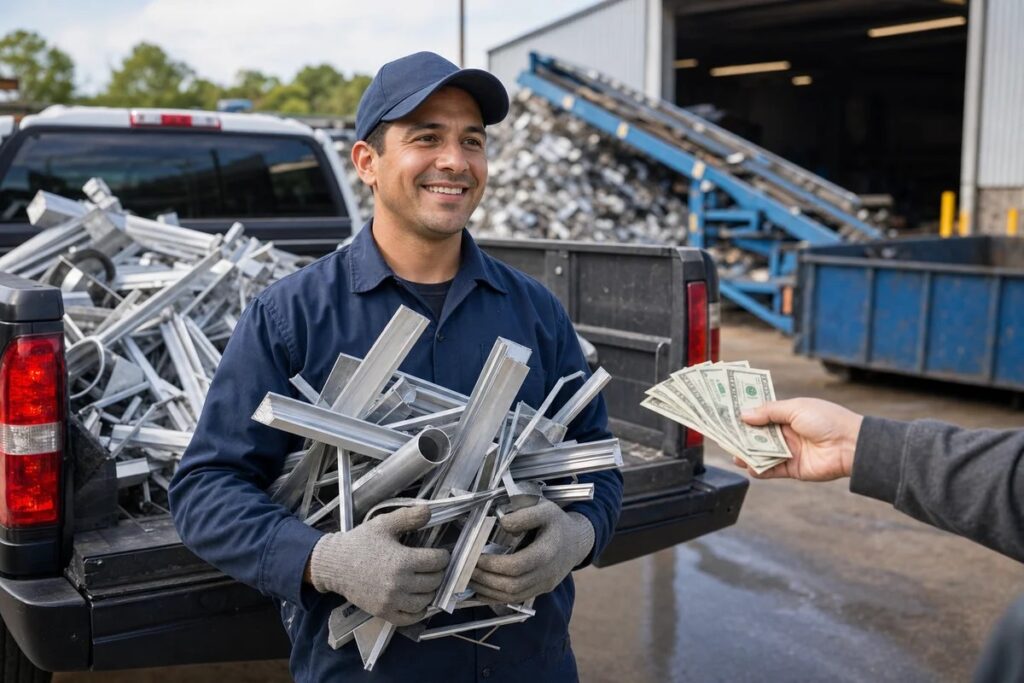
Why a small aluminum load can still be worth the trip
Aluminum is usually paid by weight, so even a small load can be worth the drive when it is clean, sorted, and free of contamination. A few cans, sheet aluminum, extrusions, cast pieces, or light appliance scrap can add up fast if the yard can classify them as a better grade instead of mixed scrap.
The tradeoff is simple, waiting for more pounds can raise the total ticket, but a cleaner load sold today often beats a bigger mixed load next week. If your goal is payment today, the real question is whether the metal is ready to move now.
That is why searches for a local aluminum yard usually come down to convenience, cutoff times, and payout rules, not long-term storage. We see the best results when people treat the trip like a quick transaction, not a hobby pile that sits in the garage for months.
At Clearfield Recycling, we have seen that even a modest, organized load can make sense when the metal is clean enough to classify quickly and pay out without delay.
A 5-step route to getting paid today at a local aluminum recycler
The fastest route is to sort first, call ahead, strip contamination, time the drop-off, then get weighed and paid. Before you load up, call two or three nearby yards and ask five exact questions: Do you buy small aluminum loads today? Is there a minimum weight or minimum ticket total? What aluminum grades do you buy? What ID do you need? How do you pay, and what is the last weigh-in time?
Those answers prevent the three most common wasted trips: a closed scale, a closed cashier window, or a yard that does not buy your specific load type. Comparing two or three yards before you drive is how you find the best mix of payout and convenience when you need money today instead of promises for later.
If one yard takes cans but not mixed cast, or one closes the office earlier than the gate, that difference can decide whether you leave with a ticket in hand. A good recycling service should be able to answer those questions up front.
1. Sort the aluminum before you leave
Put cans, sheet aluminum, cast pieces, and extrusions in separate containers if you can so the yard does not treat the whole load as mixed scrap. A magnet helps catch hidden steel fasteners, brackets, and wires before they lower the grade of the load.
One ferrous piece can lower the grade of the whole bin at some yards, so we always check each container before we go. That small step is one of the easiest ways to improve your payout at the scale.
2. Call two or three yards and ask about minimums
Ask whether they buy small aluminum loads today and whether they require a minimum weight or minimum ticket total before payment. Confirm the closing time for the scale, the cashier, and whether they pay cash, check, or digital.
We recommend writing the answers down before you drive, because a yard that buys the metal but closes the office ten minutes earlier can still turn into a wasted trip. A quick phone call saves more time than a second trip back across town.
3. Strip off steel, plastic, and trash
Remove non-aluminum attachments like screws, plastic inserts, rubber, insulation, and wood because contamination can push the whole load into a lower tier. Set aside painted, dirty, or oily pieces instead of mixing them with clean aluminum.
The cleaner the load, the easier it is for the yard to classify it correctly and pay it at the right level. That is especially true when you are trying to sell a small load and want the ticket to stay out of the lowest category.
4. Time the drop-off for the scale and cashier window
Arrive early enough to beat the inbound cutoff, since many yards stop buying 15 to 30 minutes before the gate closes. Plan for a time when both the scale and office are open so payment does not roll into the next business day.
Late afternoon is the most common miss. The gate may still be open, but the cashier window may already be closed, which means your load sits until the next business day.
5. Get weighed, sign off, and leave with the receipt
Ask for the ticket before you unload the next batch so you can verify the category and rate while you are still at the scale. Keep your ID handy in case the yard requires it for payment or paperwork.
That final check protects you from simple mistakes, like a bin being coded as mixed scrap when it should have been sorted separately. Once the ticket is correct, you can leave with proof of the transaction and the payment method the yard uses.
What we learned from bringing a small aluminum and steel load to the yard
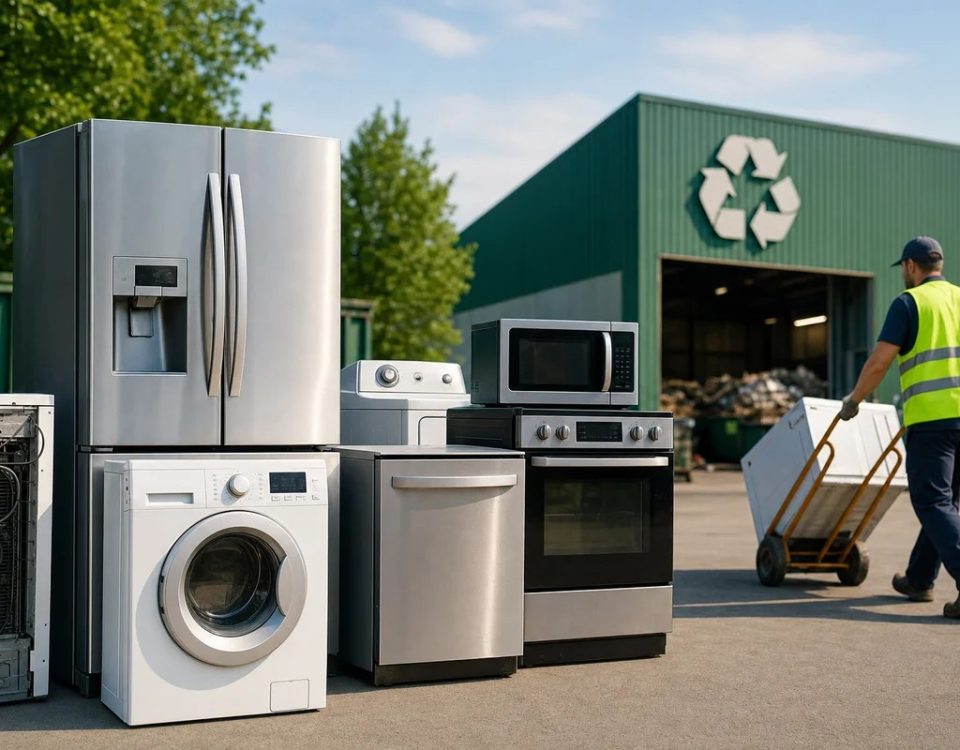
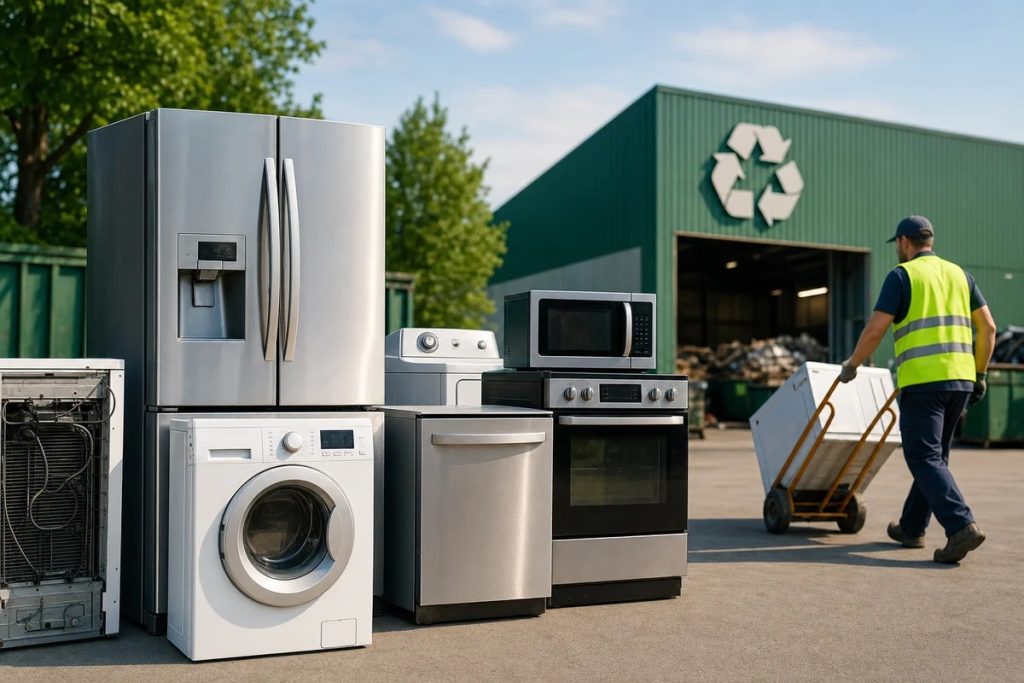
At Clearfield Recycling, we separated the aluminum from the steel before we left, and that kept the non-ferrous pile cleaner. We brought in the aluminum along with unwanted steel items like a refrigerator and a stove, and the yard handled the different metals in one trip without making us sort everything twice.
We watched the load get weighed, got paid the same day, and walked away knowing the time and trouble were worth it. That is the practical side of local aluminum recycling searches, a small load does not need to be huge to matter, it needs to be clean enough to fit the yard’s rules and simple enough to process at the scale.
That trip also showed why payment today matters more than storing scrap for weeks. If the metal is already sorted and the yard is open, the fastest win is to move it while the load is still easy to handle.
We also saw how much easier the visit becomes when the load is honest and organized. A yard can usually process a clean aluminum pile and a steel appliance load on the same visit, but only if the materials are separated before the truck backs onto the scale.
How a local scrap aluminum yard decides what your load is worth
Three pricing drivers matter most. Material purity and alloy type are usually the biggest lever, because clean extrusions and cast pieces often outprice dirty sheet or mixed scrap. Contamination and attachments are second, since steel, plastic, paint, and dirt all drag a load downward. Local market and yard policy are third, and they can still move the ticket even when two bins look similar.
One wrong ferrous piece can change how the whole bin is classified. That is why a magnet check and a quick hand sort often pay for themselves before you ever reach the scale.
| Load type | Prep work | Likely price tier | Same-day payout risk |
|---|---|---|---|
| Clean aluminum | Sorted, no steel, little to no trash | Higher | Low |
| Mixed aluminum | Some sorting, minor contamination | Mid | Medium |
| Aluminum with steel attached | Needs removal of fasteners or brackets | Lower | High |
Clean extrusions and cast pieces usually do better than dirty sheet or mixed scrap, while cans often pay but may not reach the top tier. If your load includes both clean pieces and contaminated pieces, the yard may price the whole ticket at the lower category.
That is why we always tell people to sort before they drive. A few extra minutes with a magnet and a container can protect the value of the whole bin.
How to avoid getting underpaid on a small load
The three biggest payout killers are too much contamination, poor sorting, and showing up with too little volume to beat the yard minimum. A simple rule works well, if the load is clean and you can reach the yard before cutoff, sell today. If it is tiny and mixed, combine it with the next load so you are not spending fuel and time for pennies.
For a bagful or two of mixed metal, the trip cost can outrun the ticket, so waiting for a cleaner batch often makes more sense. Do the trip-cost math in plain terms. If fuel costs a few dollars and your drive plus wait time takes an hour, the payout needs to clear that threshold before it makes sense.
A local recycler should be able to tell you whether the ticket will beat your trip cost before you unload anything.
We think the best rule is simple, do not pay for a trip twice, once in gas and once in a low-grade ticket. The cleaner the load and the shorter the wait, the better the odds that selling today makes sense.
Questions people ask before they look for a local aluminum yard
The same-day question is usually about minimums, cutoffs, and how much prep pays off. Before you drive, compare two nearby yards so you know which one will take your load with the least hassle and the best payout for the amount you have.
What if my aluminum load is smaller than the yard’s minimum?
If the minimum is too high, the load usually waits. A small load still makes sense when the yard has no minimum or a low ticket floor, but if you are short of the threshold, combine it with a cleaner non-ferrous load or wait until you have enough to clear the minimum.
Can I bring aluminum and steel appliances on the same trip?
Yes, many yards take both on the same trip as long as the materials are separated. Pull off obvious non-metal parts first, and expect the appliance to follow a separate intake rule if the yard has one.
What should I remove before I drop off scrap aluminum?
Remove steel screws, plastic, rubber, insulation, wood, and anything else that is not aluminum. Cleaner scrap is more likely to land in a better payout tier.
What time of day is best if I want payment the same day?
Early to mid day is best. Once you are into the last hour before close, the office and scale can be the bottleneck, so morning drop-offs have the highest odds of leaving with payment in hand.
If you want a quick answer for your own load, compare two nearby yards before you load the truck, then call the one that can take your material before cutoff. If you are ready to bring in aluminum, steel appliances, or other non-ferrous scrap, reach out to Clearfield Recycling’s contact page and confirm the details before you head out.