Where Do I Take Scrap Copper Transformers Safely?
September 24, 2026
Scrap Metal Steel Prices: What the Yard Sees
October 23, 2026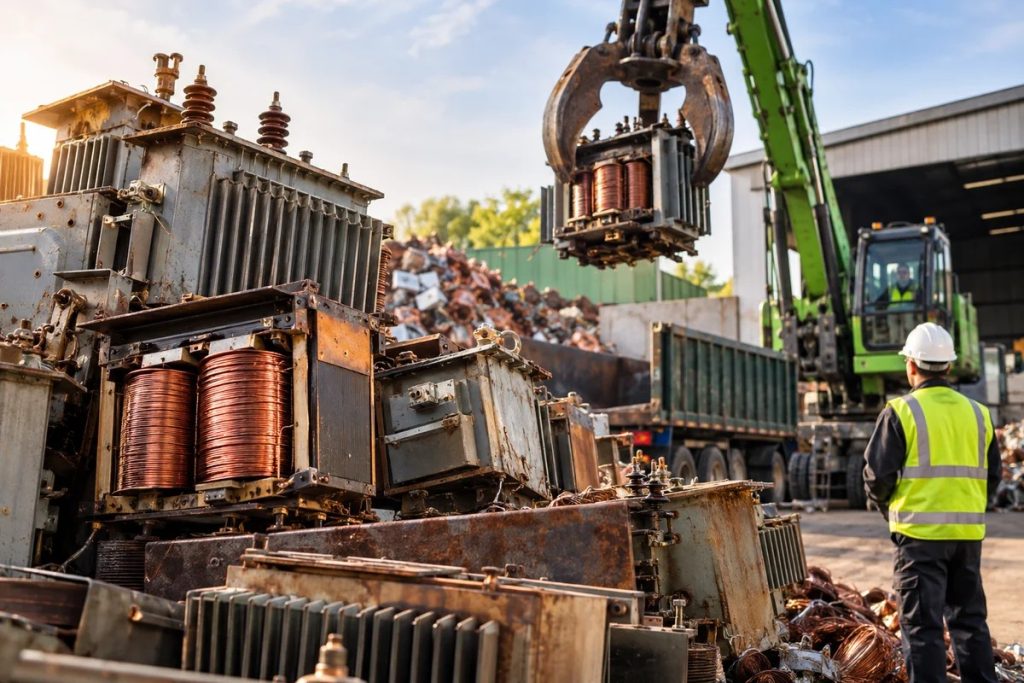
Who actually buys scrap copper transformers near me?
If you’re searching for scrap copper transformer recycling near me, the fastest route is to call scrap yards, non-ferrous recyclers, and electrical salvage shops that accept transformers, not just generic metal-only yards. Those buyers are more likely to handle the mix of copper, steel, terminals, and insulation that comes with a transformer.
Start by asking whether they take copper-wound units, aluminum-wound units, and mixed electrical equipment, because acceptance rules can change from one buyer to the next. Have a few photos ready, plus the approximate size and any nameplate details, so the first call can tell you if the unit is a fit. If you want a local starting point, Payson Recycling & Steel lists contact details for its Payson location, and its contact page is the best place to start.
That first conversation saves time. A buyer that handles transformer scrap metal recycler near me searches may still reject a unit if it is oil-filled, burned, or missing identification, while another shop may take it without much trouble. The goal is to find who buys old copper transformers near me based on the actual unit you have, not on a generic scrap list.
What makes a transformer worth recycling instead of tossing
A transformer is worth recycling when it contains recoverable metal, especially copper windings, steel housing, and reusable terminals or connectors. Those parts are what a buyer sorts, weighs, and grades, so the metal content matters more than the outer shell. Even a small unit can have enough recoverable material to justify a local drop-off.
The point changes when the transformer has unknown fluid, heavy corrosion, burn damage, or missing identification. In those cases, a basic scrap yard may not want it, and a specialized recycler may need to handle it as electrical salvage rather than simple mixed metal. That is the difference between a straightforward load and a unit that needs extra handling or paperwork before anyone accepts it.
If you want to sell scrap copper transformers locally, look at condition first and scrap value second. A clean, clearly identified unit is easier to price, while a damaged or unidentified one can be treated more cautiously even if it still contains valuable metal.
Copper winding vs aluminum winding
Copper windings are usually the main reason a transformer is worth more as scrap, while aluminum windings usually bring a lower value. Check the nameplate or other markings before you assume the winding material, because the housing alone does not tell you what is inside. A buyer may still accept aluminum-wound units, but the offer will usually reflect the lower metal value.
When a transformer needs special handling
Oil-filled, leaking, or older industrial transformers often need a recycler that can handle regulated material. Visible leaks, damaged housings, unknown fluids, and very old electrical gear are the most common reasons a buyer may decline a unit. Stop short of opening or draining anything unless the recycler tells you to do it, because the wrong handling can turn a sale into a cleanup problem.
How to compare local scrapyards, metal recyclers, and e-waste buyers
When you compare a copper transformer scrap buyer near me with a general scrap yard or e-waste buyer, look at three things: what they accept, how they grade the load, and whether they pay by direct weight, a material class, or a pickup quote. We recommend calling two or three nearby buyers, because one may reject mixed electrical scrap while another is set up for transformer recycling and ready to review photos first.
| Buyer type | What they usually accept | Best fit |
|---|---|---|
| Scrap yard | Clean, easy-to-sort metal, sometimes complete transformers as mixed scrap | Simple units with clear metal content and no fluid concerns |
| Non-ferrous or electrical salvage recycler | Copper-heavy transformers, electrical components, mixed salvage loads | Units with winding value, industrial size, or special handling needs |
| E-waste buyer | Electrical equipment with boards, wiring, or regulated electronics | Transformer-related gear that sits inside a broader electronic scrap load |
Scrap yard
A scrap yard is usually best for clean, simple loads that are easy to sort and weigh. Some yards will buy the transformer as mixed scrap, while others want the unit stripped down first. The practical question is not price first, it is whether the yard accepts that exact load and how it wants it presented.
Non-ferrous or electrical salvage recycler
These buyers are often the best fit for copper-heavy transformers because they understand winding material, housings, and electrical components. They may ask for photos or a nameplate before giving a quote, especially for larger or industrial units. They are also more likely to handle pickup or special handling requirements than a general scrap yard, which makes them a smart call when you are comparing transformer scrap metal recycler near me options.
If you’re sorting through local choices, Payson Recycling & Steel is a sensible place to ask whether the unit belongs in a mixed scrap load or needs separate handling. That is the kind of answer that keeps you from making a wasted trip.
How to prep a transformer for drop-off or pickup
Before you haul anything in, take a few minutes to document the unit and separate only the pieces that are clearly safe to remove. If you are searching for scrap copper transformer recycling near me, the buyer can usually give a faster answer when you send photos first, including the nameplate, any visible leaks, the connector type, and the total number of units if you have more than one.
- Inspect the transformer safely. Look for leaks, burn marks, corrosion, and missing labels without opening sealed housings.
- Identify the type. Note whether it appears oil-filled, dry-type, copper-wound, or aluminum-wound from the nameplate or exterior markings.
- Take clear photos. Include the top, sides, nameplate, terminals, and any damage so the buyer can review the load.
- Separate obvious attachments. Remove loose brackets, cords, or scrap that clearly belongs in a different pile, but do not drain or dismantle anything sealed.
- Call nearby buyers. Ask for acceptance rules and compare at least two or three quotes before you load the truck.
A five-step prep checklist
Keep the process simple: inspect the transformer, identify the type, take photos, separate safe attachments, and call nearby buyers. Do not open sealed housings or drain fluid unless the recycler tells you to do it in writing or by phone. Once you have two or three responses, compare the rules before you drive over.
Questions to ask before you haul it in
Use a short script so you get a direct answer fast. Ask whether they accept your transformer type, how they grade it, whether they handle oil-filled or copper-wound units, and whether they want the load drained, separated, or left intact. Add a practical question about payment timing, pickup availability, minimum load size, and whether they need business paperwork or a photo quote first.
Questions people ask before selling scrap copper transformers
If you want the quick version of who recycles scrap copper transformers near me, the answer is usually scrap yards, non-ferrous recyclers, and electrical salvage buyers that accept transformer loads. The right match depends on winding material, fluid status, and how much sorting you are willing to do before drop-off.
What would make a copper transformer a no-go for most buyers?
Visible leaks, unknown fluid, severe burn damage, and missing identification are the most common reasons buyers refuse a unit. Older oil-filled transformers can trigger stricter handling rules, especially if the fluid is not clearly identified.
Do nearby recyclers pay more for bare copper or complete transformers?
Bare copper usually brings a better material grade, but only when stripping is safe, legal, and worth the labor. Small transformers often are not worth dismantling by hand if the extra time cancels out the higher copper value, so compare the labor time against the buyer’s accepted grade first.
Can I sell scrap copper transformers locally if I only have one?
Yes, many local buyers will take a single transformer, but some pickup services want a larger batch or a minimum load. One unit is usually easier to sell to a drop-off yard than to a hauler with a load minimum, so call before you assume volume only.
What should I ask a transformer scrap metal recycler near me before I drive over?
Ask whether they accept your transformer type, how they grade it, and what they need for payment or drop-off. Request a photo-based quote and ask whether they want the unit drained, separated, or left intact, because that one call can save a wasted trip.
If you want to compare local options without guessing, send a few photos and the nameplate details through our contact page. At Payson Recycling & Steel, we can help you sort out whether the transformer belongs in a standard scrap load or needs a different handling path before you haul it over.