

Appliance Recycling Near Me: What to Expect at Drop-Off
August 21, 2026
Start here if you need recycling in Ogden, Utah
We see the same reasons people search locally again and again: curbside rules are unclear, the load is too big for a bin, or the item is scrap metal, an appliance, or something unusual. If you want a straightforward answer, start by matching the material to the right drop-off, because acceptance changes based on what it is, how clean it is, and whether you are using curbside pickup, a municipal site, or a private recycling service. That is also why recycling services in Ogden can look different from one place to the next. At Clearfield Recycling, we would rather help you choose the right stop first than send you home with a rejected load.
The goal is not to make recycling sound complicated. It is to keep you from guessing. A material that is accepted in one program may be turned away in another, especially when it is dirty, mixed with trash, or not part of the site’s normal list. If you start with the right place, you save time and avoid a second trip.
What an Ogden recycling center usually takes
Most people bring the same core materials to an Ogden recycling center, cardboard, paper, aluminum cans, and clean scrap metal. Those are the easiest categories to sort because they are widely recognized and usually simple to flatten, bundle, or separate before you arrive. The bigger issue is contamination. A few greasy containers, food residue, or trash mixed into the load can be enough to make an otherwise useful batch hard to accept.
Plastic is where people get tripped up most often. Paper and metal tend to have clearer rules, while plastic acceptance can shift by site and by shape. Bottle-shaped containers are more commonly accepted than mixed packaging, foam, or items with food stuck to them, but you should still confirm before hauling a large load. That is one reason Ogden recycling center rules can feel inconsistent, even when the broad category sounds simple.
Scrap metal and appliance drop-off
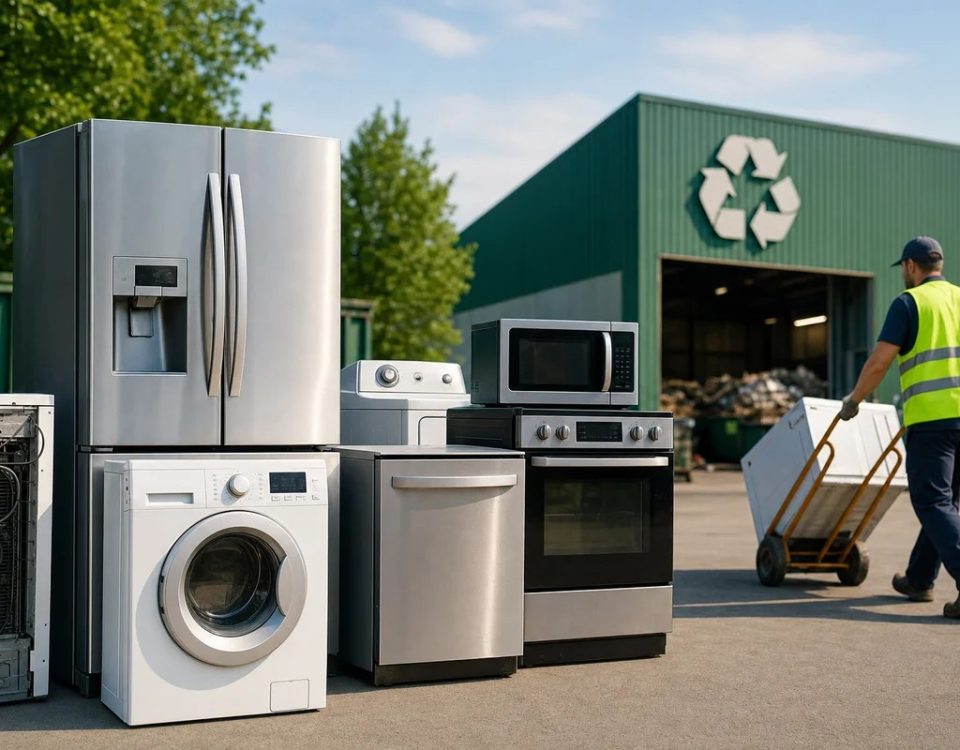
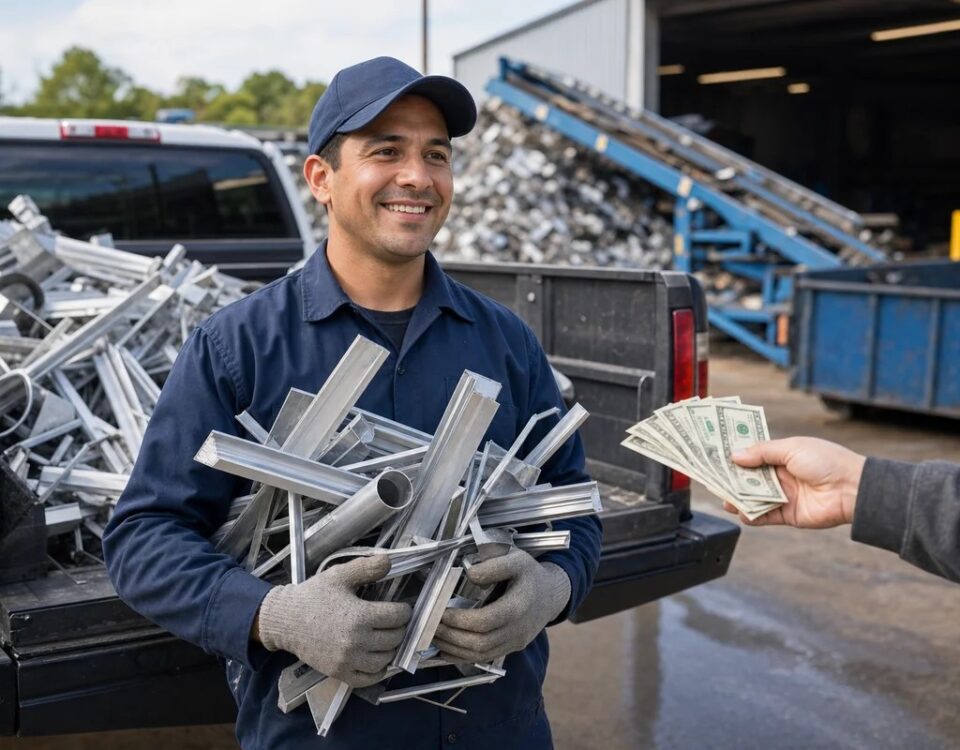
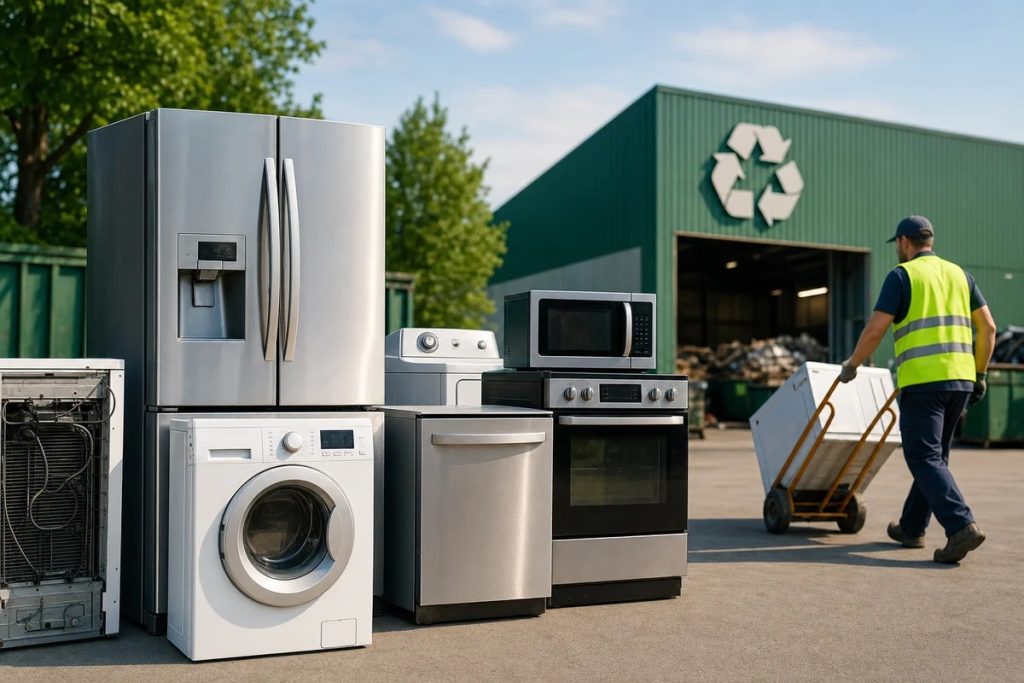
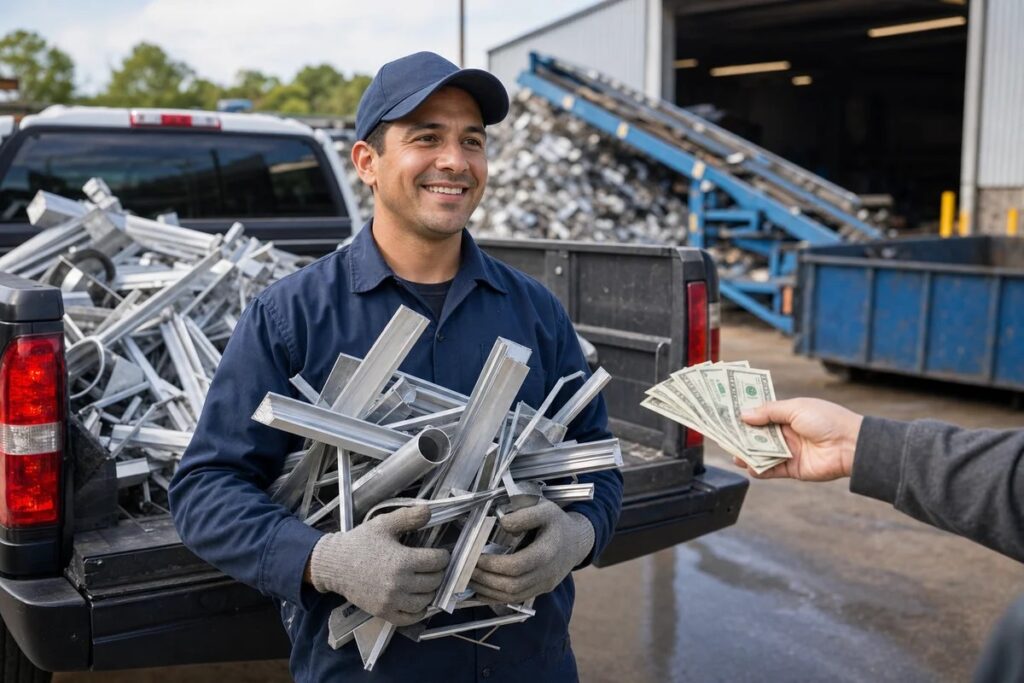
For metal-only loads, the basic rule is simple: keep the metal together and remove rubber, plastic, or electronic parts when the site asks for that. If appliances are accepted, ask where they want them staged and whether any prep is required before unloading. First-time visitors usually get pointed to the right pile quickly, especially when the load is clearly separated.
If you are recycling a dryer, the safest next step is to check the facility’s acceptance rules before you load it. Our dryer recycling guide explains the prep questions that usually matter most.
Paper, cardboard, cans, and plastics
Flatten cardboard, keep paper dry, and skip greasy takeout boxes. Empty bottles and cans are easier to handle when they are free of food residue, and plastic rules stay the most variable, so we recommend treating them as check-before-you-haul materials rather than assuming every site takes the same thing. That small check can save you from a rejected load at an Ogden, Utah recycling drop-off.
If you need a cleaner place to sort cardboard before you leave, our cardboard drop-off page covers the basics.
A simple sorting routine before you head out
A few minutes of prep can save a rejected load or a second trip. When we help people sort at Clearfield Recycling, we usually suggest a short routine that keeps the load clean, separate, and easy to unload.
- Separate the material by type. Put cardboard with cardboard, metal with metal, and keep batteries, electronics, and household trash out of the recycling pile.
- Clean the obvious contamination. Scrape out loose food waste, shake out debris, and remove non-metal attachments when the facility asks for a metal-only load.
- Secure the load for transport. Tie down loose cardboard, bag small pieces that would scatter, and keep sharp items from shifting in the truck bed.
- Verify the site rules before you drive. If the item is bulky, mixed, or unusual, ask whether the Ogden recycling center accepts it and how they want it staged.
This is the part people underestimate. A load that looks fine from across the driveway may still fail if a few bad items are mixed in. Batteries are the obvious example, but so are food waste, plastic bags, and metal pieces that still have rubber or electronics attached. The cleaner and more separated the load is, the faster it usually moves through an Ogden, Utah recycling drop-off.
If you are sorting a mixed load, the fastest check is often the simplest one. Set aside anything you would not want mixed into a clean pile, then ask whether the remaining material fits the site’s accepted list. That quick pass is usually enough to prevent a wasted drive.
What a first visit to a recycling drop-off feels like
The first visit is usually more ordinary than people expect. You follow the signs, wait where you are told to wait, and then unload where staff direct traffic. If the site uses separate piles, a worker usually points you to the right one before you start unloading, which keeps people from guessing and helps the line move.
We know that can feel intimidating the first time. A first-time scrap metal recycler told us they felt that way at the start, then found the team helpful and friendly. That is a common pattern, because the best question is often the one you ask before you set the item down. If you are not sure where something goes, ask first, then unload. It is faster than fixing a mistake after the fact.
From the parking lot to the unloading area
Organized loads move faster because the correct pile is easier to spot. Keep heavy or sharp items stable while you wait, wear gloves if you are handling rough metal, and do not lift anything that is too awkward for one person to control safely. A neat load also makes it easier for staff to see what you brought and direct you without a long back-and-forth.
When the staff should step in
Staff help is especially useful with mixed loads, scrap metal, or unfamiliar items. If a bin, pile, or lane is unclear, stop and ask rather than guessing, because one wrong placement can create more work for everyone behind you. At Clearfield Recycling, we would rather answer a basic question than have you sort it out alone in the wrong spot.
When a specialty drop-off is the better fit
If you are trying to figure out where to recycle in Ogden, Utah for items that are regulated or hard to sort, specialty drop-off is usually the better choice. That is not just a convenience issue, it is a safety and contamination issue. Batteries, e-waste, bulbs, paint, and other household hazardous materials can damage a normal recycling stream or create handling problems if they are mixed in with common household recyclables.
The rule of thumb is simple. If the item is bulky, sharp, potentially unsafe, or labeled in a way that makes you pause, check the site before you leave home. A quick phone call or site check is cheaper than driving across town with something that cannot be accepted. It also keeps you from showing up with a load that belongs in a separate program entirely.
Items that usually need their own program
Batteries, electronics, fluorescent bulbs, paint, solvents, and other household hazardous materials are usually kept out of normal recycling for safety or contamination reasons. Some are accepted only on certain days or at a designated facility, so they should never be treated like ordinary curbside material. If you have one of those items, assume it needs its own path until a site confirms otherwise.
Questions to ask before you drive over
Ask three things: is the item accepted, how should it be prepared, and are there any fees or limits. If the answer is unclear, keep the item at home until the facility can confirm the drop-off process, which is exactly the kind of check we encourage at Clearfield Recycling for mixed or unfamiliar loads. That one call can save you from unloading, reloading, and driving away with the same item still in the truck.
Questions people ask before recycling in Ogden
What should I do with items that are dirty or mixed with trash?
Set them aside and clean them first if you can. Contaminated items usually do not belong in recycling, and visible food waste, plastic bags, or trash mixed into the load can lead to rejection.
Can I bring scrap metal if I have never recycled before?
Yes, many recycling drop-off locations accept first-time scrap metal recyclers. Separate metal from rubber, plastic, and electronics attached to it, then ask where to unload before you park.
Where do batteries and electronics go in Ogden?
They usually need a specialty program, not the regular bin. A small lithium battery or an old laptop should stay out of ordinary recycling because they can create fire and contamination problems.
How do I choose between curbside pickup and a recycling center?
Use curbside for clean household recyclables on your local accepted-materials list, and use a recycling center for bulky, sorted, or specialty loads. If the item is not on the list, a center is usually the better call.
Make the first stop the right stop
If you want help sorting a load before you drive over, we can help you think through it and point you in the right direction. The easiest way to avoid a rejected load is to match the material to the right program first, then show up with it clean, separated, and ready to unload.
Contact Clearfield Recycling if you want a quick check before you head out. A short conversation now is usually easier than a second trip later.